What are the odds of catching a marlin in Cabo?
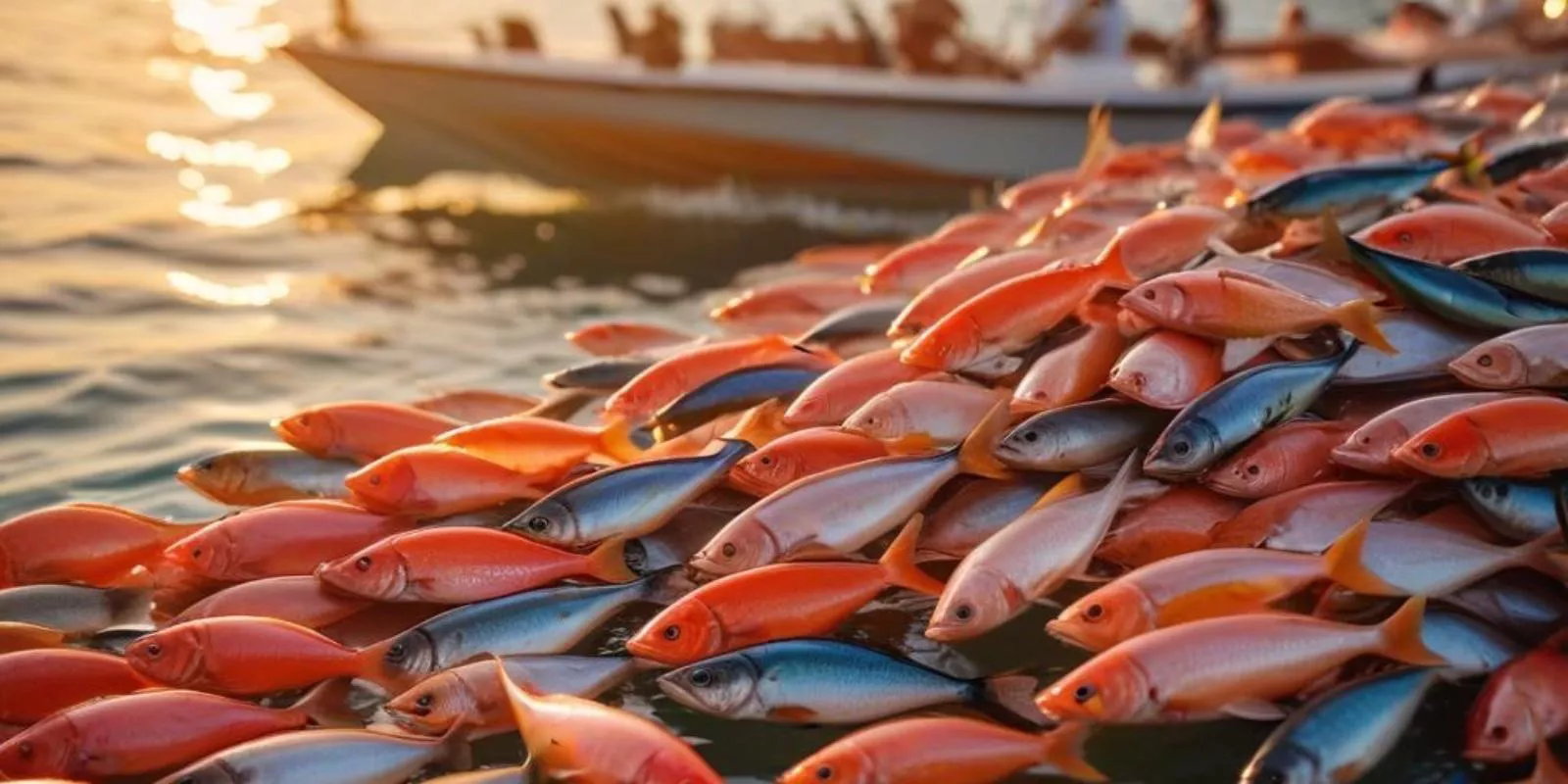
Cabo San Lucas is one of the best places in the world to catch a striped marlin. But what are your real odds? A scientific study of the Cabo San Lucas sportfishing fleet found an average of 0.6 striped marlin per fishing trip, with much better odds in winter. Here is what that means for your next trip, and when to go.
💬 Find a Home Near the Marina 📞 Call or Text Us
| 0.6 striped marlin per trip (yearly average) |
0.9 per trip in winter |
0.3 per trip in summer |
Source: Ortega-García et al., Marine and Freshwater Research (2003), based on Cabo San Lucas sportfishing data from 1990 to 1999.
In simple words: in winter, you have close to a 1-in-1 chance per trip. In summer, it drops to about 1 in 3. And because these are averages, some boats catch several marlin in a day while others catch none.
| Season | What to expect |
| Winter | Best striped marlin catch rates. The study found the highest catches with water between 22 and 24°C (72–75°F). |
| Spring | Striped marlin are still common as the water starts to warm. |
| Summer and fall | Fewer striped marlin, but warm water brings blue and black marlin. October is tournament season in Cabo. |
Many of our clients from California, Texas and Arizona buy in Los Cabos because they love to fish. If you want to keep a boat or be minutes from the marina, look at Puerto Los Cabos, with its own marina in San José del Cabo, or Pedregal, right above the Cabo San Lucas marina.
On average, about 0.6 striped marlin per trip, according to a study of the Cabo San Lucas fleet. In winter the average rises to about 0.9 per trip, and in summer it drops to about 0.3.
For striped marlin, winter is best, when the water is around 72–75°F. Summer and fall are better for blue and black marlin.
Yes. Everyone fishing from a boat in Mexico needs a fishing license. Most charters can arrange it for you.
Marlin are reserved for sportfishing in Mexico, and most charters in Cabo practice catch and release. Ask your captain about the current rules.
Love fishing? Live close to the marina.
We help buyers from California, Texas and Arizona find homes near the marinas and the best fishing in Los Cabos.
Source: Ortega-García, S. et al., "Striped marlin catch rates in the Los Cabos sportfishing fleet," Marine and Freshwater Research 54 (2003), data 1990–1999; local experience of Karla & Erick | Cabo Realty. Fishing regulations change, so confirm with your charter before your trip.
Disclaimer: Karla & Erick | Cabo Realty provides educational content about communities, lifestyle and real estate in Los Cabos. We are MLS members and operate under the brokerage Century 21 Paradise Properties. We are not affiliated with any fishing charter.
Karla & Erick | Cabo Realty | Century 21 Paradise Properties

Your home in Los Cabos, with people who live here.
Karla Andreu and Erick Flores are MLS members with Century 21 Paradise Properties, focused on luxury golf and oceanfront communities: Querencia, Palmilla, Pedregal, Quivira, Diamante, Cabo del Sol, Cabo Real, Club Campestre and Puerto Los Cabos.
Most of our clients come from California, Texas and Arizona. We help them buy, sell and relocate with real market data, honest advice and one clear plan from the first video call to closing day.
No pressure. No surprises. Just the right home for the way you want to live.
Pet Care in Los Cabos: A Guide for Expats
Moving to Los Cabos with your dog or cat? What U.S. owners need to know: bringing your pet, the screwworm certificate to return to the U.S., ticks, heat and pet-friendly homes.
Where is the safest place to live in Cabo?
Where is the safest place to live in Cabo? The gated communities with controlled access and 24-hour security in Cabo San Lucas, San José del Cabo and the Corridor, plus what to know about open neighborhoods.
Where to avoid in Cabo?
Most of Los Cabos is safe for U.S. visitors and expats—but safety issues can be localized in certain residential-periphery zones. This guide lists commonly flagged areas in Cabo San Lucas and San José del Cabo and shares practical, non-alarmist ways to reduce risk.

