Living Costs in the Cabo Corridor: Utilities and Groceries
Buying in the Los Cabos Corridor, in communities like Palmilla, Cabo Real or Cabo del Sol? Your monthly bills work differently than in California, Texas or Arizona. Here is how electricity, water, gas, internet and groceries really work, so there are no surprises.
Want the big picture first? See The Cost of Living in Los Cabos vs Major U.S. Cities.
💬 Ask Us About Monthly Costs 📞 Call or Text Us
| Bill | Who provides it | What makes it go up |
| Electricity | CFE (federal utility) | Air conditioning, pool pumps, large homes |
| Water | OOMSAPAS Los Cabos (local utility) | Gardens, pools, full-time use |
| Gas | Propane (LP gas) tank delivery | Pool and water heaters, cooking |
| Internet | Telmex, Totalplay or Starlink | Faster speeds, TV packages |
| HOA fees | Your community and building | Security, amenities, beach clubs |
Electricity comes from CFE, Mexico's federal utility, and residential bills usually arrive every two months. Homes in hot regions like Los Cabos get a subsidized summer rate, which keeps bills low for normal use.
💡 Watch out for DAC: if your home uses more than the high-consumption limit on average, CFE moves you to the DAC tariff (Tarifa Doméstica de Alto Consumo), with no subsidy and much higher rates. It is common in large homes with air conditioning and heated pools. Before you buy, ask the seller for the last 12 months of CFE bills.
Ways to keep it down: solar panels (very common in the Corridor), efficient inverter air conditioning, and timers on pool pumps.
City water is provided by OOMSAPAS Los Cabos. Most homes store water in a cistern (cisterna) and a rooftop tank (tinaco), so you have water even if service is interrupted. Most residents do not drink tap water: they buy purified water in 20-liter jugs (garrafones) delivered to the door, or install a filtration system.
In some gated communities part of the water is managed by the community, so ask what your HOA covers.
Most homes use propane (LP gas) for cooking, water heaters and pool heaters. A company refills your tank on request. Heating a pool is what makes this bill go up the most.
The main home internet options are Telmex (Infinitum) and Totalplay with fiber in many areas, and Starlink where cable does not reach. Basic home internet in Los Cabos starts around $33 USD a month. Mobile plans are prepaid or monthly with Telcel, AT&T Mexico or Movistar, and many U.S. plans include Mexico.
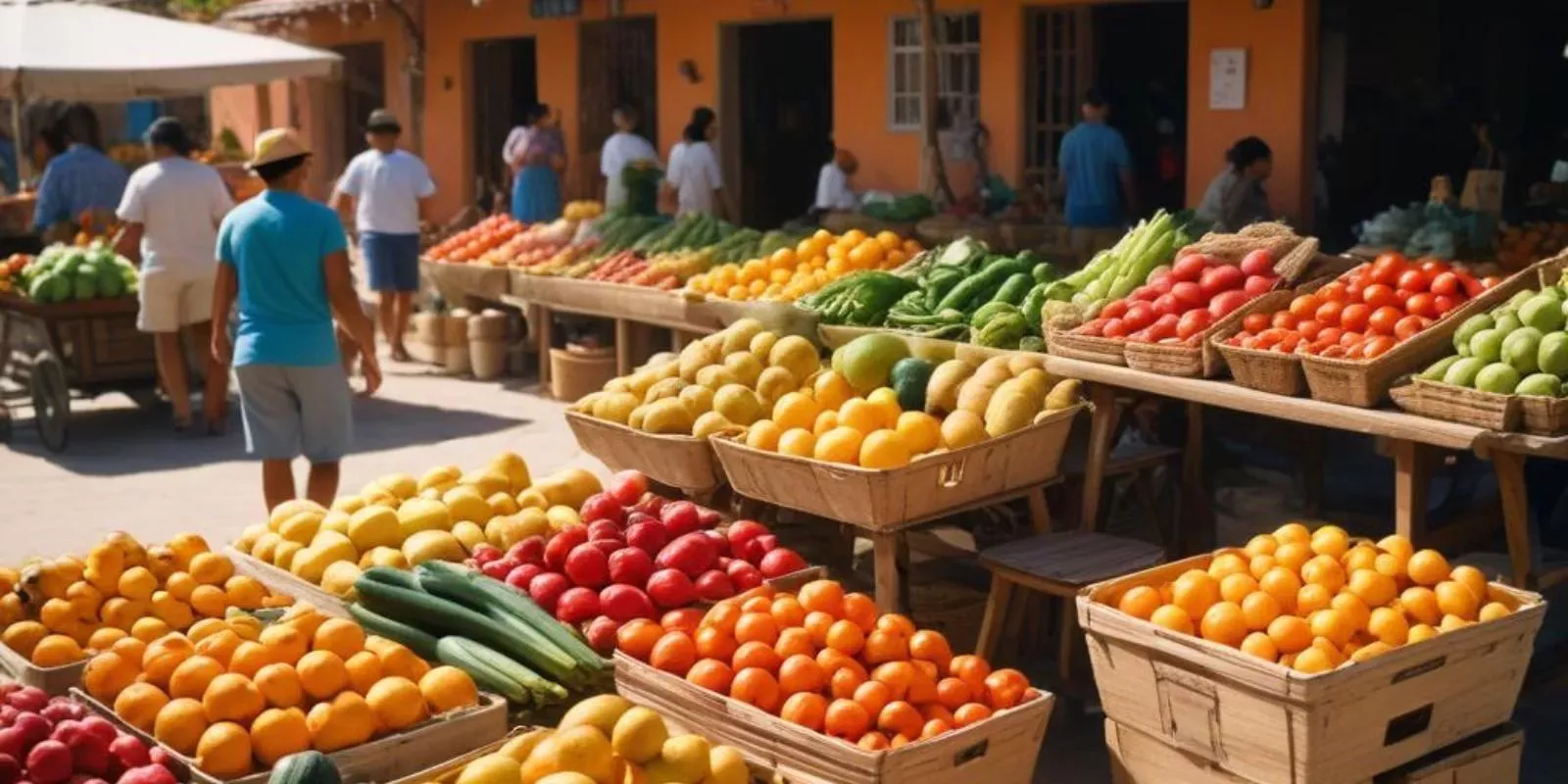
Imported U.S. brands cost more than local brands. Buying local produce and Mexican brands is the easiest way to lower your grocery bill.
For normal use, no, thanks to the subsidized summer rate. It becomes expensive if the home goes over the high-consumption limit and is moved to the DAC tariff, which is common in large homes with air conditioning and pools.
Most residents don't. They buy purified water jugs delivered to the door or install a filtration system.
Yes. Fiber from Telmex or Totalplay is available in many communities, and Starlink is an option where cable does not reach.
Costco in El Tezal and higher-end supermarkets like Chedraui Selecto carry many U.S. brands.
Want to know the real costs of a home before you buy?
We can get the CFE bills, HOA fees and real monthly costs of any property you like, so you can compare with confidence.
Source: CFE residential tariff rules (DAC), Expatistan Los Cabos internet prices, Gringo Gazette (Soriana Hiper and Costco in El Tezal) and local experience of Karla & Erick | Cabo Realty. Prices and providers change, so confirm before you buy.
Disclaimer: Karla & Erick | Cabo Realty provides educational content about communities, lifestyle and real estate in Los Cabos. We help relocation clients and buyers, mainly from the United States, find homes, condos and investment opportunities in the region. We are MLS members and operate under the brokerage Century 21 Paradise Properties. We are not affiliated with or responsible for the utilities, stores or providers mentioned above.
Karla & Erick | Cabo Realty | Century 21 Paradise Properties

Your home in Los Cabos, with people who live here.
Karla Andreu and Erick Flores are MLS members with Century 21 Paradise Properties, focused on luxury golf and oceanfront communities: Querencia, Palmilla, Pedregal, Quivira, Diamante, Cabo del Sol, Cabo Real, Club Campestre and Puerto Los Cabos.
Most of our clients come from California, Texas and Arizona. We help them buy, sell and relocate with real market data, honest advice and one clear plan from the first video call to closing day.
No pressure. No surprises. Just the right home for the way you want to live.
What is the origin of Querencia?
What does querencia mean? It’s the Spanish word for the place where you feel safe, at home and strongest. Learn its origin in bullfighting and literature, and why it’s also the name of a private golf community in Los Cabos.
What Yachts Are Docked in Cabo Right Now?
Which yachts are docked in Cabo right now? How to check live with ship-tracking maps, where superyachts dock in Cabo San Lucas and Puerto Los Cabos, and the best season to see them.
Where is the safest place to live in Cabo?
Where is the safest place to live in Cabo? The gated communities with controlled access and 24-hour security in Cabo San Lucas, San José del Cabo and the Corridor, plus what to know about open neighborhoods.

