Cabo San Lucas and San José del Cabo, two vibrant cities at the southern tip of Mexico's Baja California Peninsula, attract millions of visitors each year. With stunning beaches, rich culture, and a plethora of activities, these destinations are not only popular among tourists but also among expatriates and retirees. A common question for those considering a visit or relocation is whether English is widely spoken in these areas. This article explores the linguistic landscape of Cabo San Lucas and San José del Cabo, providing insights through real-life experiences and case studies.
When planning a trip to Cabo San Lucas or San José del Cabo, many travelers wonder about the language barrier they might face. While Spanish is the official language of Mexico, English has become increasingly prevalent in these tourist-friendly locales. Understanding the dynamics of language use can significantly enhance your experience, whether you're exploring local attractions or engaging with the community. This article aims to provide a comprehensive overview of English usage in these beautiful cities, backed by real-life examples that illustrate the ease of communication for English speakers.
In Cabo San Lucas and San José del Cabo, English is widely spoken, particularly in areas frequented by tourists. Many locals working in hospitality, restaurants, and shops are proficient in English due to the high volume of international visitors. According to a report by the Mexican Ministry of Tourism, over 90% of businesses in these areas cater to English-speaking tourists, which has fostered an environment where English is commonly used. Additionally, many residents have learned English through formal education or immersion. Schools in the region often offer bilingual education programs, ensuring that younger generations are equipped with language skills that will serve them well in both local and global contexts.
“Over 90% of businesses in Cabo San Lucas and San José del Cabo cater to English-speaking tourists.”
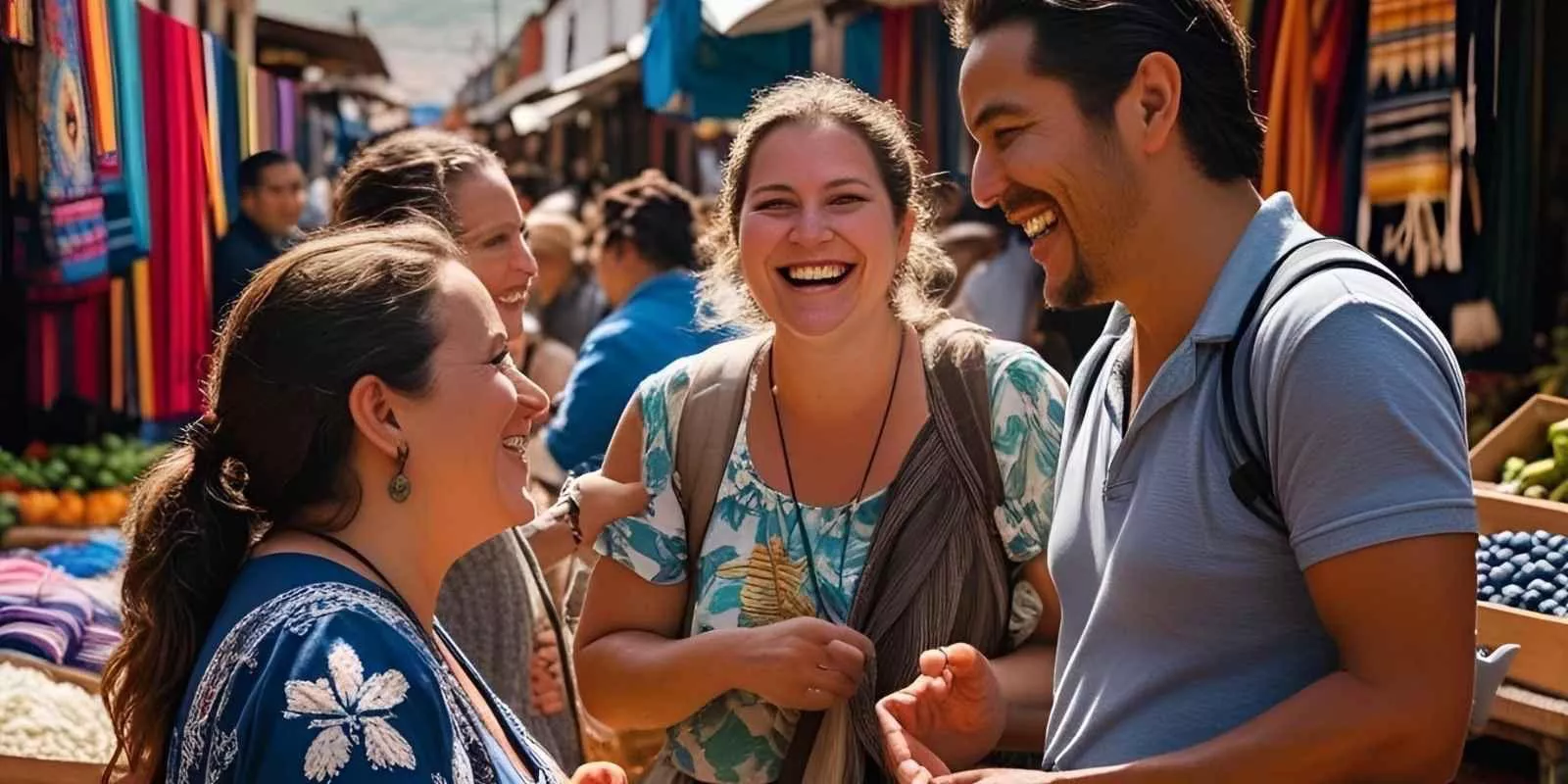
This linguistic accessibility makes it easier for visitors to navigate their surroundings without feeling lost or overwhelmed. Whether you're ordering food at a restaurant or asking for directions, you'll likely find that most locals are more than willing to assist you in English.
Consider Sarah, a traveler from Canada who recently visited Cabo San Lucas for her first time. Upon arriving at her hotel, she was greeted by friendly staff who spoke fluent English. Throughout her stay, she found that nearly everyone she interacted with—from tour guides to shopkeepers—could communicate effectively in English. Sarah remarked on how comforting it was to know she could ask questions without worrying about language barriers. She explored local attractions such as El Arco and enjoyed dining at various restaurants where menus were available in both Spanish and English. Sarah's experience highlights how the prevalence of English not only enhances convenience but also enriches cultural exchanges between visitors and locals.
Next, we have John and Maria, a couple who moved from the United States to San José del Cabo five years ago. They initially worried about their ability to integrate into the community given their limited Spanish skills. However, they quickly discovered that many expats lived in the area and formed a supportive network. John shared how they attended local events where they met other English-speaking residents. They found that many local businesses were owned by expats who had established themselves in the community. This made it easy for them to connect with others while enjoying services offered in English. Maria emphasized that while learning Spanish has been beneficial for deeper interactions with locals, they rarely faced challenges communicating day-to-day. Their story illustrates how welcoming the community can be for those who speak primarily English.
Lastly, let’s look at Carlos, a local restaurant owner in Cabo San Lucas who has embraced the influx of tourists by ensuring his staff is trained in basic English communication skills. Carlos understands that providing excellent service includes breaking down language barriers. He offers training sessions for his employees focused on common phrases used by tourists and emphasizes the importance of customer service in multiple languages. As a result, his restaurant has garnered rave reviews online from visitors who appreciated not just the food but also the ease of communication during their dining experience. Carlos's proactive approach demonstrates how businesses can thrive when they prioritize language inclusivity, ultimately benefiting both locals and tourists alike.
In summary, English is indeed widely spoken in Cabo San Lucas and San José del Cabo. The combination of a thriving tourism industry and an increasing number of expatriates has created an environment where communication flows easily across language barriers. Whether you're visiting for vacation or considering making these beautiful cities your home, you can feel confident knowing that you'll be able to connect with others without significant obstacles. As you embark on your journey to Cabo San Lucas or San José del Cabo—whether it's for relaxation or adventure—embrace the opportunity to engage with both locals and fellow travelers alike. And remember, if you're looking for expert guidance on real estate opportunities or need help navigating your new life here, don't hesitate to reach out to Karla at Erick Cabo Realty!
While knowing some basic Spanish phrases can enhance your experience and show respect for the local culture, it is not necessary as most people working in tourism speak English.
Yes! There are several language schools offering courses for both beginners and advanced learners if you wish to improve your Spanish while living or vacationing there.
Most locals are eager to help; try using simple phrases or gestures to communicate effectively. Additionally, translation apps can be handy tools during your travels.
Absolutely! Many businesses cater specifically to tourists and offer bilingual services ranging from tours to dining experiences.
Engaging with locals through community events or joining clubs can provide great opportunities to practice your Spanish while making new friends! For more information about living or investing in real estate in this beautiful region, reach out directly to Karla at Erick Cabo Realty today!
Thinking of moving to Baja California Sur, México?
Karla Andreu and Erick Flores (Century 21) guide U.S. & Canadian buyers, expats, retirees, and families through every step.
We specialize in beach & golf communities across Los Cabos and Baja California Sur—offering expert advice, relocation support, and clear guidance to help you invest with confidence.
Can you catch bluefin tuna in Cabo?
Cabo San Lucas offers an exhilarating experience for bluefin tuna fishing, especially from July to December. With expert guidance and stunning ocean views, anglers of all levels can enjoy this adventure. Contact Karla at Cabo Realty Century 21 for more insights!
Laguna Vista Homes for Sale & Rentals in San José del Cabo – 2025 Guide for Buyers from Texas & California
Discover Laguna Vista in San José del Cabo — modern condos starting at $300K USD, long-term rentals from $1,500/month, and resort-style amenities. Perfect for buyers and investors from Los Angeles, Dallas, and Phoenix seeking lifestyle and ROI.
Living Vibrantly in Downtown Cabo San Lucas
Living in Downtown Cabo San Lucas offers vibrant nightlife, diverse dining, and endless entertainment options. With a strong sense of community and beautiful scenery, it's an ideal place for both relaxation and. Discover your dream home with Karla at Erick Cabo Realty!